Finding the most ventilated motorcycle helmet means prioritizing airflow, comfort, and safety across different riding styles. This guide highlights five top options that emphasize adjustable vents, breathable liners, and anti-fog features for American riders. Each helmet is best for riders who want steady cooling on sunny days, reduced wind fatigue on highway miles, or quiet, comfortable airflow during all-day scenic rides. The following comparisons help you decide which helmet matches your riding needs, from city commutes to weekend dirt-track sessions.
| Product | Brand | Best For | Key Ventilation Feature |
|---|---|---|---|
| GLX GX11 Compact Full Face | GLX | Everyday riders seeking quiet airflow | Three adjustable air intakes and four exhaust outlets |
| TRIANGLE Full Face Helmet | TRIANGLE | All-weather riders who want quick visor changes | 4 air intakes and exhaust vents |
| ILM Full Face With Removable Scarf | ILM | Budget-conscious riders needing warmth options | Removable winter scarf and dual visors |
| AUBOA Full Face Helmet MD-813 | Auboa | Lightweight comfort with strong ventilation | Multiple vents and quick-release inner liners |
| Wisdagaly Bluetooth Headset | Wisdagaly | Riders who want integrated sound with ventilation help | ENC noise-canceling and IPX6 weather seal |
What to look for when choosing the most ventilated helmet: number and placement of air intakes/exhausts, vent closing options, breathable interior materials, anti-fog visors, and a design that minimizes wind noise without restricting airflow. The products below balance these factors for various riding priorities, from urban hot-days to multi-hour highway journeys.
GLX GX11 Compact Full Face Helmet

The GLX GX11 focuses on wind-tunnel-tested airflow with three adjustable air intakes and four exhaust outlets. This setup aims to deliver a quieter ride while maintaining a steady flow of air to the rider. The helmet’s expanded shield system contributes to an unobstructed field of view, supported by a quick-change shield mechanism for easy updates in changing light conditions. Best for riders who want a balanced blend of cooling and reduced wind noise, especially in daily commuting or casual weekend rides. A potential limitation is that the ventilation is tuned for a snug fit; riders with broader head shapes may want to verify sizing before purchase.
Who this is best for: riders prioritizing an affordable, comfortable fit with reliable airflow and an easy shield swap. Why selected: it represents a well-rounded, ventilation-forward choice at a price point suitable for everyday riders who value quiet operation and clear visibility.
TRIANGLE Full Face Helmet DOT Approved

This DOT-certified helmet emphasizes airflow with four strategically placed air intakes and exhaust vents to manage heat buildup across seasons. The design supports a quick-release dual visor system, including a pre-installed tinted shield and a bonus clear visor, making it versatile for sunlit rides and nighttime visibility. Best for riders who want reliable ventilation plus flexible visor options for changing light. Caution: the helmet’s bulk and weight may not suit riders seeking ultra-lightweight performance.
Who this is best for: street and sport riders who value easy visor changes and steady cooling. Why selected: it combines robust ventilation with practical daylight/night visor versatility for all-weather riding scenarios.
ILM Full Face With Removable Winter Neck Scarf
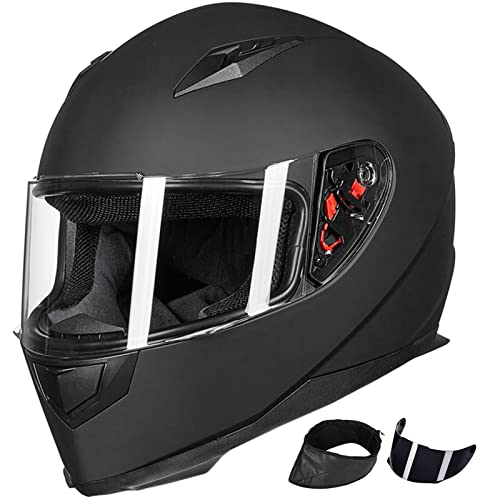
ILM’s model offers a practical solution for variable weather with two visors (clear and smoked) and a removable winter neck scarf. Aerodynamic shaping reduces wind noise and drag while maintaining airflow through multiple vents. Best for riders who need flexibility between warm and cool conditions without sacrificing ventilation. Limitation: the scarf and visors add bulk and may require extra care during cleaning.
Who this is best for: riders who ride in shifting temperatures or colder mornings but still want strong airflow. Why selected: it provides seasonally adaptable ventilation plus a simple way to manage fogging and glare with a dual-visor setup.
AUBOA MD-813 Full Face Helmet

The MD-813 from Auboa emphasizes lightweight construction with an ABS shell and multi-density EPS. It features multiple vents for airflow and a quick-release inner liner that can be washed—helpful for riders who log long days in hot weather. Best for riders who want a lighter helmet with straightforward ventilation and easy maintenance. Caution: some users may find the fit less tailored for larger head shapes, so verify sizing before purchase.
Who this is best for: riders who value a lightweight build and easy interior care. Why selected: it balances ventilation with practical upkeep and a comfortable, breathable interior for extended rides.
Wisdagaly Bluetooth Headset For Helmets

Wisdagaly’s Y12 headset emphasizes high-quality audio with noise cancellation, weather sealing, and IPX6 protection. While primarily a communication and listening device, its design supports comfortable wear with helmets that have proper ventilation channels, reducing heat buildup near the ear. Best for riders who want reliable audio alongside helmet ventilation, enabling hands-free calls, GPS, or music. Limitation: the headset’s primary function is audio, not airflow, so buyers should ensure the helmet chosen has compatible internal space for installation.
Buying Guide: Practical Considerations For Ventilated Helmets
- Vent Placement and Adjustability: Look for multiple intake and exhaust ports with easy-to-use closures. More adjustable vents generally equal better control over airflow in different conditions.
- Ventilation With Comfort: A ventilated interior made of breathable materials and removable liners helps manage sweat and maintain comfort during long rides.
- Visors And Fog Prevention: Quick-change visors and dual-visor systems reduce fogging and glare, which improves visibility alongside airflow design.
- Weight And Fit: Lighter helmets with a comfortable fit reduce fatigue on hot days. Ensure the size and shape accommodate your head without pressuring any area.
- Intended Use And Weather: Consider whether you ride mostly in warm climates, year-round, or in variable weather. Some helmets offer more all-season versatility with removable liners or scarves.
- Maintenance: Removable liners, washable interiors, and easy-to-clean visors extend the life of the helmet and maintain ventilation efficiency over time.
Frequently Asked Questions
- What makes a helmet more ventilated than another?
A: More intake and exhaust vents, well-designed vent channels, and breathable interior materials typically improve airflow and cooling. - Is a heavier helmet necessarily less ventilated?
A: Not always. It can have robust ventilation, but excessive weight may affect comfort on long rides. Look for a balance between airflow and weight. - Do dual visors affect ventilation?
A: Dual visors can influence fog control and airflow around the visor area, but ventilation mainly depends on mouth- and brow-vent design and shell channels. - What should I consider if I ride in rainy or cold weather?
A: Choose helmets with adaptable vents, removable liners, and anti-fog or dual-visor systems to manage moisture and airflow in varied conditions. - Are Bluetooth headsets compatible with most helmets?
A: Many headsets are designed to fit most full-face helmets, but installation depends on helmet interior space and mounting points. Check compatibility with your chosen model. - How important is DOT certification for ventilation-focused helmets?
A: DOT certification relates to safety standards. Ventilation performance is independent; you can choose a DOT-certified helmet that prioritizes airflow.