Answering your search for the lightest mountain bike frame, this guide highlights five frames that balance weight, strength, and ride quality. This selection focuses on magnesium and aluminum constructions, which are commonly recognized for lightness without sacrificing durability. Each option targets different rider needs—from beginners seeking easy handling to enthusiasts chasing nimble acceleration on technical trails. The table below provides a quick snapshot to compare core attributes and intended riders.
| Product | Best For | Material | Approximate Weight Consideration |
|---|---|---|---|
| 26-inch Mountain Bike Frame, Magnesium Alloy | Trail riders seeking maximum lightweight strength | Magnesium alloy | Lightweight, corrosion resistant |
| WEIZE 27.5″ Aluminum Full Suspension Frame | All-around riders needing comfort on rough terrain | Aluminum alloy | Lightweight with durable performance |
| AVASTA 26 Inch Aluminum Mountain Bike Frame | Urban/rural mix with responsive handling | Aluminum alloy | Lightweight, responsive |
| DHNCBGFZ 27.5ER Aluminum Frame | Technical XC/AM riders needing rigidity | Aluminum alloy | Rigid and durable, quick handling |
| Omelaza 26 Inch Mountain Bike Frame | Budget-conscious riders open to steel frame options | High-carbon steel (aviation grade in description) | Heavier than aluminum; strong |
26-inch Magnesium Alloy Frame

The key feature is a one-piece die-cast magnesium alloy frame designed to maximize strength while minimizing weight. Magnesium alloy construction offers superior durability and corrosion resistance compared to traditional metals, making it a strong candidate for riders prioritizing lightness on climbs and agility on tight trails. Best for riders who want a lightweight frame with solid off-road performance. Caution: magnesium frames can require careful maintenance to prevent corrosion if exposed to harsh conditions over time.
WEIZE Aluminum Full Suspension Frame

This frame uses a premium aluminum alloy to strike a balance between lightness and strength, reinforced by full suspension for smoother rides on rough trails. It’s best for riders who want easier handling, quicker acceleration, and improved comfort on longer rides. Best for intermediate riders who encounter varied terrain. Limitation: as with many full-suspension designs, maintenance complexity can increase over time compared to rigid frames.
AVASTA 26 Inch Aluminum Mountain Frame

AVASTA’s aluminum frame emphasizes lightweight agility and strength, paired with a design intended for both adult male and female riders. Best for riders seeking a nimble, responsive ride with reliable braking and smooth power transfer. Caution: aluminum frames vary in stiffness; ensure a compatible headset and components for optimal performance.
DHNCBGFZ 27.5ER Aluminum Frame
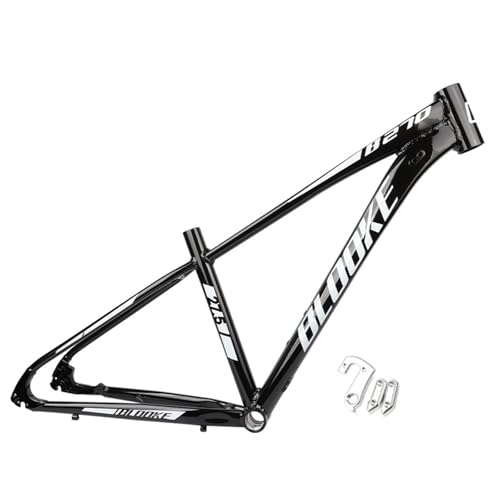
Designed for 27.5-inch wheels, this rigid aluminum frame emphasizes frame strength and disc-brake compatibility with 135mm spacing. Best for XC and all-mountain riders who prioritize frame rigidity and precise handling. Choose this if you want a straightforward, stiff ride that responds quickly to input. Limitation: is not a full suspension design, which may be less forgiving on rough trails.
Omelaza 26 Inch Mountain Bike Frame

Omelaza presents a 26-inch frame built from high-carbon steel. This frame touts durability and stability with a front suspension fork and dual-coil rear shocks, offering a stable platform for riders who prioritize ruggedness over lightweight. Best for budget-minded riders who still want a capable mountain bike frame. Caution: heavier than aluminum options, which can affect performance on climbs.
Buying Guide
What frame material should I choose for lightness?
Magnesium and aluminum are the most common light frame materials. Magnesium alloys offer excellent stiffness-to-weight ratios and corrosion resistance but require proper protection in harsh environments. Aluminum frames are widely available, provide good weight savings, and are easy to maintain. Consider your terrain, climbing demands, and maintenance tolerance when deciding.
Is full suspension worth the extra weight for light-frame riders?
Full suspension can improve comfort and control on rough trails, potentially reducing fatigue on long rides. However, it adds weight and mechanical complexity. If your priority is the lightest possible frame for climbs, a rigid or hardtail aluminum frame may be preferable, with a well-chosen fork to suit terrain.
How does wheel size impact frame weight perception?
Wheel size (26″, 27.5″, 29″) affects ride feel and stiffness perception. Larger wheels roll over obstacles more easily but can make the frame feel heavier in handling. Frame design for the chosen wheel size should align with rider weight, height, and riding style.
What should I check beyond weight?
Look at frame stiffness, compatibility with components (headset, bottom bracket, seat tube, disc brakes), geometry (reach, stack, head angle), and intended rider weight range. A lighter frame with poor geometry or fit will not deliver optimal ride quality.
How important is protective finishing for magnesium frames?
Magnesium frames benefit from corrosion protection and proper anodizing or coating. If you ride in wet or salty conditions, ensure you maintain frame protection and clean after exposure to moisture to preserve longevity.
Choosing the right frame for your goals
- Best for extreme lightness: Magnesium alloy frame options.
- Best all-around performance with easy maintenance: Aluminum frames (hardtail or full suspension).
- Best for budget-friendly setups: Steel frames offer durability, but weigh more than aluminum.
FAQ
- What is the lightest common mountain bike frame material? Magnesium alloy is among the lightest commercially available frame materials, though aluminum is more common and affordable.
- Do I need a full suspension to be light? Not necessarily. A high-quality hardtail aluminum frame can be very light and efficient for many trails.
- Will a lighter frame improve climbing? Lighter frames reduce rotational mass and total weight, which typically helps climbing, especially on steep grades.
- Can magnesium frames be damaged by moisture? Proper coating and maintenance reduce corrosion risk; always dry and protect magnesium frames after rides in wet conditions.
- Should I overpay for the lightest frame? Not always. Weight is one factor; fit, geometry, and component compatibility often impact overall ride quality more.
- Is a 27.5″ frame lighter than a 29″ frame? Weight differences are minimal and frame design typically matters more for weight distribution and handling than wheel size alone.