Answering the question of which cycling gloves best support mountain biking, these picks emphasize padding, grip, breathability, and touchscreen compatibility. They’re suited for different rider types: endurance riders need shock absorption; casual riders want comfort for longer rides; aggressive riders require knuckle and palm protection. The following table highlights the five best options in this guide and what makes each stand out for specific needs.
| Product | Best For | Key Feature | Trade-Off |
|---|---|---|---|
| WESTWOOD FOX Cycling Bike Gloves | Endurance riders and daily commuters | Gel padding for shock absorption; anti-slip grip | Full finger design may feel warm in hot weather |
| ROCKBROS Cycling Gloves | Budget-minded riders who want breathable comfort | Comfort gel padded palm; breathable mesh | Size guidance essential for best fit |
| HTZPLOO Bike Gloves | Casual to intermediate riders seeking lightweight protection | Anti-slip silicone palm; soft Lycra | Half-finger style may reveal more knuckles |
| Lamicall Bike Gloves | Casual cyclists and gym users | 5mm shock-absorbing padding; breathable back | Simple design; may be less rugged for extreme trails |
| Fox Racing Ranger Glove | Rocky, rugged trail riders | Low-profile neoprene cuff; touchscreen compatibility | pricier option compared to basics |
WESTWOOD FOX Cycling Bike Gloves
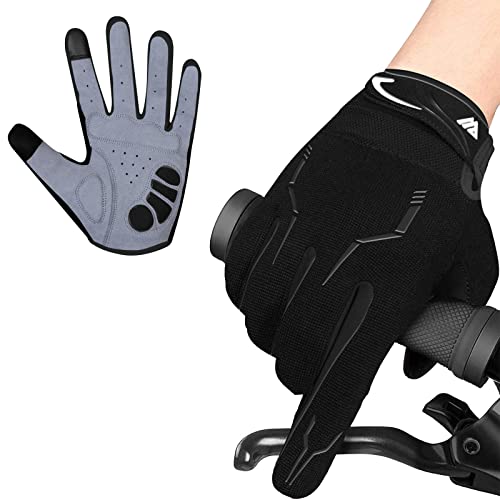
Best for endurance riders who need all-day comfort, these gloves feature gel padding that reduces hand fatigue by absorbing vibrations from rough terrain. The anti-slip design includes a reinforced thumb joint for secure control on steep descents or long gravel rides. The touchscreen-friendly fingertips on the thumb and index finger let you check GPS or messages without removing gloves. A caution: gel padding adds bulk, which may feel bulky to riders who prefer a minimal fit.
ROCKBROS Cycling Gloves

Best for riders who want breathable comfort with reliable grip, these gloves feature a gel-padded palm to reduce ride pain and keep hands fresh on long climbs. A mesh back adds ventilation, helping hands stay cool in warm weather. A size chart helps ensure a proper fit, which is crucial for achieving the full benefits of the padding and grip. Choose this option if you prioritize airflow and cost efficiency.
HTZPLOO Bike Gloves

Best for riders who want a lightweight feel with strong anti-slip protection, these gloves use silicone gel on the palm to enhance grip. They also offer soft Lycra on the back to keep hands flexible and cool. A potential limitation is the half-finger design, which may expose more knuckles on aggressive maneuvers. Overall, choose HTZPLOO for a balance of grip and light protection.
Lamicall Bike Gloves

Best for casual cyclists and gym enthusiasts, these gloves emphasize breathability with Lycra and mesh, plus a 5mm foam pad for shock absorption. The microfiber palm and silicone strips deliver durable, reliable grip, and the double-stitching contributes to long wear. Choose Lamicall if you want a versatile glove suitable for both biking and other light sports without a heavy feel. Avoid if you need advanced knuckle protection for rocky descents.
Fox Racing Ranger Mountain Bike Glove

Best for rugged trail riders seeking an aggressive fit, these gloves feature a low-profile neoprene cuff with a hook-and-loop closure for a secure, customizable fit. Conductive threads at the index finger and thumb enable touchscreen use, while absorbent micro-suede on the thumb helps wipe sweat during climbs. A caution: this option tends to be a more premium choice, with a focus on performance over budget.
Buying Guide: How To Choose Mountain Bike Gloves
What level of padding do you need? Padding ranges from light to thick. For rough terrain and long rides, look for 3–5 mm palm padding paired with gel or foam to dampen vibrations.
Do you need full finger or half-finger gloves? Full finger gloves provide more protection, while half-finger designs offer better ventilation and dexterity on technical trails.
How important is touch sensitivity? If you use devices on the go, gloves with touchscreen-compatible fingertips ensure you stay connected without removing gloves.
How should you fit them? Measure hand circumference and consult size charts. A snug fit prevents slipping and maximizes padding effectiveness.
What materials matter? Breathable mesh and moisture-wicking fabrics improve comfort in warm weather; durable palms (microfiber) enhance grip and longevity.
Are gloves compatible with other gear? Consider cuffs that seal well with wrist braces or sleeves and avoid bulky padding that inhibits grip on the handlebars.
FAQ
- Are mountain bike gloves necessary for casual riding? Not always, but gloves improve grip, protect palms, and reduce fatigue on longer rides.
- Should I choose half-finger or full-finger gloves for technical trails? Full-finger gloves offer more protection; half-finger gloves are cooler and allow greater dexterity.
- What is the benefit of gel padding in gloves? Gel padding absorbs vibrations and reduces hand fatigue on rough terrain.
- How can I determine the right glove size? Use the manufacturer’s size chart and measure the circumference of your hand just below the knuckles.
- Do all gloves support touchscreen devices? Many do; verify fingertips are touchscreen-compatible if you need device access on the trail.
- Can gloves affect grip on steep descents? Yes, anti-slip palms and silicone grip areas improve control, especially when hands sweat.