The ideal electric bike for a 20-mile daily commute blends reliable range, rider comfort, and practical features. This guide highlights five versatile e-bikes that cater to urban and mixed-terrain routes, helping you choose based on range, motor power, folding capability, and suspension. Best for eco-conscious commuters, outdoor enthusiasts, or riders needing extra cargo options, these models provide predictable performance across daily trips and weekend adventures. Each entry includes who it’s best for and why it stands out for a 20-mile-or-longer commute.
| Product | Motor / Range | Weight / Foldability | Best For |
|---|---|---|---|
| URLIFE 20″ Fat Tire Electric Bike (Black) | 48V, 20 mph, up to 80 miles | Fat tires with front suspension; not foldable | Long commutes on mixed terrain |
| URLIFE 20″ Fat Tire Electric Bike (Green) | 48V, 20 mph, 80 miles | Front suspension, 20″ fat tires; not foldable | All-terrain daily rides with long range |
| TS TST 1200W Folding Electric Bike | 1200W peak; 40-60 miles | 20″ foldable frame | Urban commutes with easy storage |
| Hoverfly OUREA 26″ Electric Bike | 750W; 20-40 miles | Removable battery; 26″ wheels | All-terrain urban and hills |
| YVY 1500W Electric Bike | 1500W peak; 100+ miles | Full suspension; 20″ fat tires | Very long-range daily commutes |
URLIFE 20″ Fat Tire Electric Bike — Black

This URLIFE model uses a 48V, 20 mph motor with the claimed ability to climb steep grades and deliver up to 80 miles per charge. The 20″ fat tires and front suspension enhance stability on snow, sand, or rough pavement—beneficial for riders who encounter variable weather or urban potholes. The bike is best for riders who want high range without folding and who ride primarily on mixed surfaces. A potential limitation is its non-folding frame, which may affect storage in small living spaces or apartments.
URLIFE 20″ Fat Tire Electric Bike — Green

This green version matches the Black model with an 80-mile range, 48V power, and 20″ fat tires plus front suspension. It’s tuned for long daily commutes and weekend explorations where stable traction matters. It’s well-suited for riders who prioritize long-range performance over compact storage. Like the Black variant, it lacks foldability, so consider space and bike storage when choosing this design.
TS TST 1200W Folding Electric Bike

This folding e-bike delivers a high-torque 1200W peak motor with a 40-60 mile range and a compact 20″ folding frame. It’s best for urban commuters who need easy transport in apartments, offices, or subways, and who value rapid acceleration for merging into traffic. Caution: folding mechanisms may require periodic maintenance, and heavy riders should verify fit and braking performance under load.
Hoverfly OUREA 26″ Electric Bike
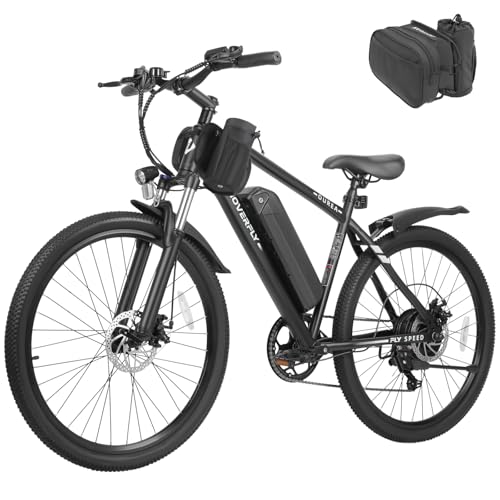
The Hoverfly OUREA uses a 750W motor with a range of 20-40 miles and a removable battery. The 26″ wheeled design offers solid stability and better roll-over capability for rough city streets. It suits riders who want strong hill-climbing and comfort on longer rides, particularly on mixed urban trails. Limitations include a potentially heavier frame and longer charging times compared to smaller, lighter options.
YVY Electric Bike — 1500W Peak

The YVY model features a high-torque 1500W peak motor and a 48V, 20Ah removable battery, delivering 100+ miles of range and full-suspension comfort. It’s best for riders who require extreme range and rugged all-terrain capability, including mountain or snow routes. A potential limitation is the higher power and weight, which may affect handling in tight urban spaces and higher maintenance needs.
Buying Guide
What range do you really need? Consider how many miles you ride daily and your typical terrain. Long-range models reduce charging frequency but may come with extra weight.
How important is folding or portability? Folding frames help with storage in apartments or transit, but may compromise ride stiffness or weight capacity. If you rarely move the bike, a solid non-folding frame could be more stable.
What terrain will you encounter? A front suspension and fat tires improve traction on sand, snow, or rough pavement but add weight. If your commute is primarily urban with occasional hills, a moderate suspension setup often suffices.
Motor power matters for hill climbs and acceleration. Higher wattage offers quicker starts and better performance on steep grades but can shorten battery life if used aggressively. Check weight limits and brake compatibility for safe rides.
Battery design and maintenance: Removable batteries facilitate at-work charging or theft protection. Confirm charging time and ease of replacement if you ride daily or rely on long trips.
FAQ
- What is the typical range for a 20-mile daily commute? Most bikes in this guide offer 40-100+ miles per charge, depending on assist level and terrain.
- Do all these bikes support folding? Only the TS TST folding model and some compact designs fold for easy storage and transit.
- Is 750W or 1500W better for commuting? Higher wattage provides stronger hill-climbing and acceleration, but can be heavier and less efficient on level ground.
- Are fat tires necessary for city commuting? Fat tires improve stability and grip on rough surfaces but add rolling resistance and weight.
- Should I choose regenerative or removable batteries? Removable batteries are convenient for at-work charging and theft deterrence; regenerative charging is rare on consumer bikes.
- How important is suspension for daily commuting? Front or full suspension helps absorb bumps and reduces fatigue on rough streets or light trails.