Answering the need for precise, quick checks of bicycle chain wear, this guide compares top chain wear indicator tools. These tools help determine when to replace drivetrain components, reduce slip, and extend gearLife. Ideal buyers vary from casual riders to DIY enthusiasts and professional mechanics seeking accurate wear measurements for 7- to 12-speed chains.
| Product | Brand | Best For |
|---|---|---|
| Park Tool CC-3.2 Bicycle Chain Checker 5-12 Speed | Park Tool | All-around accuracy for 5–12 speed chains |
| Park Tool Chain Checker | Park Tool | Quick wear check for general purposes |
| Park Tool CC-4.2 Bicycle Chain Wear Checker | Park Tool | Broad chain compatibility, 5–13 speed |
| Bicycle Chain Wear Indicator Gauge Checker Aluminum Alloy | CYCEARTH | Durable, portable on-the-go checks |
| BikeHand Bike Chain Checker Tool | BIKE HAND | Pro-grade, 7–12 speed compatibility |
Park Tool CC-3.2 Chain Checker 5-12 Speed
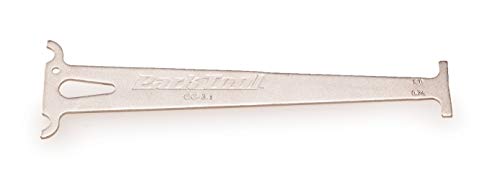
The Park Tool CC-3.2 is designed to accurately measure wear on all 1/2″ pitch bicycle chains and is compatible with most 5- to 12-speed chains. The go/no-go gauge clearly indicates wear at 0.5% and 0.75%, providing a straightforward decision point for maintenance. This tool is best for cyclists who want a simple, reliable test for routine chain life assessment and who work with multiple chain speeds.
Why choose this: It offers a direct wear threshold, helping determine replacement timing without ambiguity. The small form factor makes it a solid in-pocket tool for daily riders, commuters, and shop technicians who regularly service mixed-speed drivetrains.
Caution: The indicator measures chain wear relative to pins and rollers and cannot account for other drivetrain wear (sprockets, chainrings). For best results, use with standard 1/2″ pitch chains and check intermittently with other wear indicators.
Park Tool Chain Checker

This Park Tool model focuses on quick chain stretch and wear checks to determine if a chain is good or bad. It’s a practical choice for cyclists who want a fast, general assessment rather than precise percentage wear readings. The simple test helps guide replacement decisions and is compatible with many common chains.
Best for: riders who want an uncomplicated, fast check and don’t require precise wear percentages. The tool’s simplicity makes it ideal for beginners, rental fleets, or small bike shops performing routine maintenance.
Limitation: It provides a quick verdict rather than a detailed wear percentage. For deeper maintenance planning or advanced tuning, consider pairing with a more precise gauge or additional wear checks on the drivetrain.
Park Tool CC-4.2 Bicycle Chain Wear Checker

The CC-4.2 expands Park Tool’s wear-check capability to a broader range, accurately measuring wear on all 1/2″ pitch bicycle chains and supporting 5–13 speed systems. This makes it a strong choice for riders who frequently switch between road, mountain, and hybrid setups. It provides a reliable assessment that helps prevent premature wear on critical drivetrain parts.
Best for: riders with mixed gear setups or those who upgrade bikes frequently. The wider speed compatibility reduces the need for multiple gauges across a single bike family.
Limitation: Like other wear gauges, it focuses on chain wear and does not directly measure sprocket or chainring wear, which can also impact shifting and efficiency.
CYCEARTH Aluminum Alloy Chain Wear Indicator

The CYCEARTH chain wear indicator gauge is built from aluminum alloy for durability and portable use. It’s designed for easy, on-the-go maintenance and provides a reliable gauge reading to help determine when a chain needs replacement. This tool is particularly suited for riders who prefer a light, durable gauge that travels well in a toolkit or saddlebag.
Best for: cyclists who value a compact, robust gauge for field maintenance. It’s a practical option for those who rack up miles and need quick checks without heavy equipment.
Limitation: Aluminum gauge readings may be influenced by the tool’s alignment on the chain; ensure a flat, straight chain section when testing for accurate results.
Oumers 2-in-1 Chain Repair Kits With Checkers

This kit combines a bike chain tool, link pliers, a chain checker, and a master link remover, creating a versatile option for on-the-go repairs. It’s best for riders who want a single, multi-tool solution that covers chain removal, link connecting, and wear checks within one package. The 2-in-1 chain pliers and anti-slip handles enhance user comfort during maintenance tasks.
Best for: DIY riders and small groups who value a complete repair and wear-check toolkit in one purchase. It supports quick field adjustments and chain replacement in one go.
Limitation: The kit’s broad scope may be more than some riders need if they only want a simple wear indicator. Weight and bulk can be considerations for ultra-light setups or compact saddlebags.
A AKRAF Bicycle Chain Repair Tool Kit

The AKRAF kit provides a comprehensive assortment, including a chain wear indicator and a chain breaker splitter tool. It focuses on reliable link handling, anti-slip grips, and compatibility with a wide range of chain speeds (7–11 and some single-speed setups). This makes it a strong pick for riders who want dependable removal and installation capabilities along with wear checks.
Best for: riders who prefer a robust, all-in-one repair and wear-check solution with multiple link tools. The kit supports on-the-go maintenance and is suitable for those who service diverse bike configurations.
Limitation: While versatile, the 7–11 speed compatibility may not cover every modern 12-speed chain if expanded to newer models; verify chain speed requirements before purchase.
KIEVODE Bike Chain Checker Tool

The KIEVODE chain checker provides a fast and precise assessment of chain stretch and wear for nearly any bike chain, including Shimano, SRAM, Campagnolo, KMC, and other brands. It’s designed to help determine replacement timing to avoid poor shifting and excessive wear, offering compatibility with all speed chains. The tool aims to be a dependable all-around option for enthusiasts and professionals alike.
Best for: riders who value a broad compatibility range and accurate wear readings across multiple brands. It supports proactive maintenance by signaling when replacement is needed.
Limitation: The tool’s speed and precision depend on proper alignment and use; ensure the chain is straight and test on a clean, dry section for best results.
Buying Guide: Key Considerations For Choosing A Chain Wear Indicator
How do you pick the right chain wear indicator tool? Consider the following questions and factors to tailor a choice to your riding style and drivetrain:
- What chain speeds do you use most? If you ride mixed 5–12 speed setups, prioritize a gauge with broad compatibility (5–13 or 7–12 speeds).
- Do you want precise wear percentages or a quick go/no-go result? Some gauges output exact wear %, while others simply indicate replacement approval.
- Is portability important? Lightweight, compact gauges are ideal for field use and travel.
- Will you use the tool for maintenance at home or in a shop? Pro-grade tools with durable construction may suit professional settings better.
- Do you want an all-in-one repair kit or a single-purpose wear checker? Kits add versatility but may be bulkier.
Practical Comparisons
- Best for precise wear metrics across many brands: Park Tool CC-3.2 or CC-4.2.
- Best for fast, simple checks: Park Tool Chain Checker (quick verdict).
- Best for durable, portable field use: CYCEARTH Aluminum Alloy Gauge.
- Best all-in-one maintenance solution: Oumers 2-in-1 Repair Kit.
- Best for broad brand compatibility: KIEVODE Chain Checker.
Maintenance Tips
- Always test on a clean chain section for accurate readings.
- Combine wear checks with sprocket and chainring inspection for a complete drivetrain health picture.
- Keep tools dry and store in a protective case to preserve accuracy and durability.
FAQ
- Q: How often should I check chain wear? A: Check when you notice slipping, skipping gears, or after significant mileage or terrain changes; many riders test every few rides during high-use periods.
- Q: Do wear indicators work on all chains? A: Most tools target 1/2″ pitch chains and 5–13 speed ranges; verify compatibility for your setup.
- Q: Can a chain be replaced too early? A: Replacing too early can be unnecessary expense; wear indicators help optimize timing based on actual wear.
- Q: Should I replace the cassette or chain first? A: Wear on chains tends to drive cassette wear; replace the chain when wear readings reach the specified thresholds to protect cassettes.
- Q: Are these tools difficult to use? A: Most models are simple to operate; align the gauge on a straight chain section and read the indicated wear or test result.
- Q: Do professional mechanics use chain wear indicators? A: Yes, many shops rely on precise gauges to schedule maintenance and ensure consistent drivetrain performance.