If you’re a biker seeking reliable back support, these braces help manage pain, improve posture, and allow longer, more comfortable rides. They’re suitable for riders with strains, sciatica, scoliosis, or prior injuries. The top picks below are selected for daily riding, performance training, and long-distance trips. They offer adjustable fit, breathable materials, and lumbar padding to target the lower back. Choose the brace that best matches your waist size, activity level, and how discreet you want it under your riding gear.
| Product | Best For | Why It Stands Out |
|---|---|---|
| FEATOL Back Brace for Lower Back Pain | Daily riders with moderate pain | Adjustable sizes with strong support strips and lumbar pad for full back stabilization. |
| FREETOO Back Brace with Pulley System | Riders needing firm support | Ergonomic design with multiple supports (lumbar panel, memory stays, springs) for stability. |
| Sparthos Back Brace (Large) | Active riders with broader waists | Breathable fabric and adjustable lumbar pad for immediate relief and flexibility. |
| Sparthos Back Brace (Small) | Compact build riders | Similar relief and support in a smaller size for a more discreet fit. |
| MUELLER Sports Medicine Back Brace | All-day wear and varied activities | One-size-with-extended range; breathable mesh and odor-control fabric. |
FEATOL Back Brace for Lower Back Pain

Designed for men and women, this FEATOL back brace offers adjustable sizing with multiple options from S/M to 5XL. It uses four strong support strips and a removable lumbar pad to deliver 360-degree back stabilization. It is best for riders who want precise fit control and a robust lift during daily commuting or weekend rides. The main limitation is size availability for very tall riders who require extended waist measurements beyond the stated ranges.
FREETOO Back Brace for Lower Back Pain Relief with Pulley System

The FREETOO brace combines a lumbar pad with a sturdy support system—this includes a bionic bone lumbar panel, memory-aluminum stays, and springs—to offer firm stabilization for riders dealing with disc issues or sciatica. It’s best for riders who want a breathable, contoured fit that remains comfortable under riding gear. A potential limitation is its heavier build, which may take time to acclimate for riders who prefer ultra-lightweight braces.
Sparthos Back Brace for Lower Back Pain (Large)
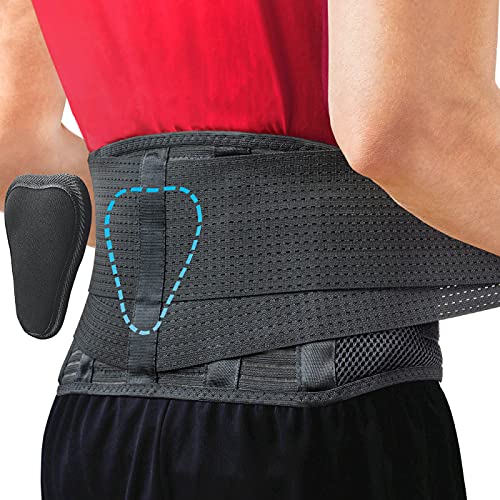
This Sparthos model emphasizes immediate relief from back pain and supports the lower back with a contoured lumbar pad and vertical stays to prevent rolling. It’s best for riders who want a breathable design that remains comfortable under jackets or jerseys. A caution is that sizing accuracy is critical—choose the right waist measurement to ensure the brace stays securely in place during rides.
Sparthos Back Brace for Lower Back Pain (Small)
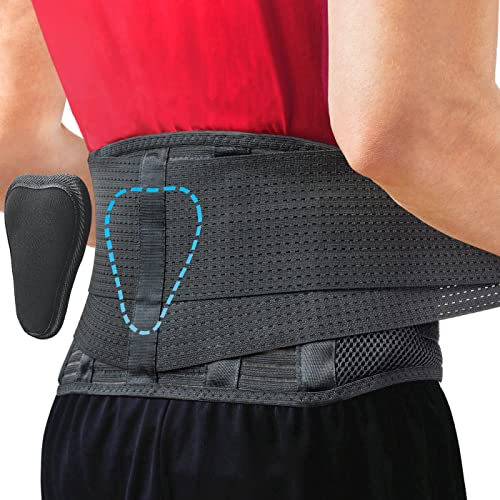
This smaller Sparthos version mirrors the features of the larger model with a focus on a more compact fit. Best for riders with smaller waists seeking the same relief from sciatica, herniated discs, or scoliosis. It remains a solid option if you want the same level of lumbar support without a bulkier silhouette. Consider checking size charts to avoid an overly tight fit that could restrict movement on a bike.
MUELLER Sports Medicine Adjustable Back Brace
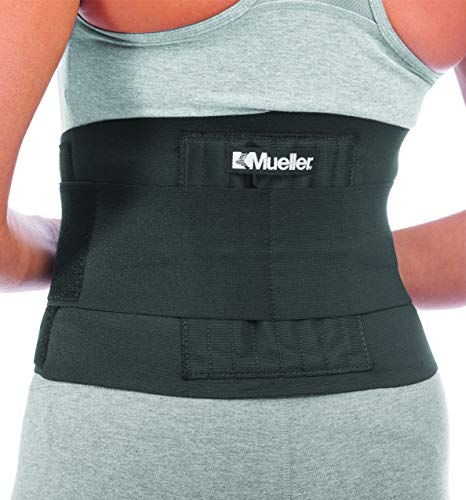
MUELLER offers a one-size-or-extended-size design with adjustable closure straps for fast fitting before rides. It uses breathable mesh to promote all-day comfort and helps manage back pain associated with strains or scoliotic conditions. Best for riders who want versatility and easy on/off use. A limitation is that one size might require careful adjustment to fit all body shapes securely for intense riding activity.
Buying Guide: Key Purchase Considerations for Bikers
- Size and fit: Start with precise waist measurements at the navel level. Ensure the brace can be tightened enough to stay in place without restricting breathing during riding.
- Support level: For longer rides or heavier loads, choose braces with lumbar pads and multiple stays for superior stabilization. Consider a model with adjustable lumbar support.
- Breathability and comfort: Look for breathable fabrics and soft edges. A comfortable brace reduces fatigue and encourages consistent use.
- Mobility vs. compression: Gauge how much mobility you need. Some riders prefer lighter compression for daily commuting, while others need firmer support for performance or rehabilitation.
- Discreet wear: If you ride in gear with limited space, prioritize slim profiles and fabrics that wear well under jackets or riding jerseys.
- Durability and care: Check fabric and fasteners for endurance through varying weather and moisture. Removable pads can help with cleaning and airflow.
- Specific conditions: If you have herniated discs, sciatica, scoliosis, or prior injuries, select braces that explicitly address these areas with targeted padding or reinforced panels.
Frequently Asked Questions
- Do back braces restrict movement for biking? They can, but most designs aim to balance support and mobility. Choose a model with a snug yet flexible fit for comfortable pedal strokes and turning.
- How long should I wear a back brace while riding? Start with shorter durations to gauge comfort, then extend as tolerated. Follow any medical guidance for chronic conditions.
- Can back braces be worn under riding gear? Yes, most braces are designed to be worn under jerseys and jackets, provided you select the right size and a slim profile.
- Are lumbar pads essential? Lumbar pads provide targeted compression and can improve stability. However, some riders prefer padless designs for lighter relief.
- How do I know if I need a larger size? If the brace leaves gaps, rides up, or feels too tight when you sit or bend, consider moving to the next size up or adjusting the straps for a better seal.
- Can back braces help with long-distance biking? Yes, they can reduce fatigue and discomfort by maintaining posture and reducing strain over time when worn correctly.