Answering the common buyer question: which 212cc class engine best suits a mini bike, go-kart, or similar small machinery? This guide highlights five top 212cc engines that balance power, durability, and compatibility. Choose this list if you want a straightforward replacement or upgrade for mini bikes, log splitters, pressure washers, water pumps, and tillers. Each entry notes ideal uses and any practical limits to help you decide quickly.
Quick Reference
| Product | Best For | Key Benefit |
|---|---|---|
| Bamiyune 212cc | Go-karts, mini bikes, water pumps | High torque and 0.8 gal fuel tank for longer runs |
| LUNUMAOS 212cc | General replacement engine | Efficient fuel use with 0.08 gal/Kw/h |
| Predator 212cc | Robust, everyday tasks | Durable cast iron cylinder and simple recoil start |
| BJTDLLX 212cc | Go-karts and mini bikes | Low-noise design and solid durability |
| Aceup Energy 212cc | Log splitters, water pumps, tillers | Standard recoil start and versatile mounting |
Bamiyune 212cc Gas Engine

The Bamiyune 212cc engine delivers 7.5 HP at 3600 rpm with air cooling and a horizontal shaft. It uses a pull-start mechanism and is designed as a versatile replacement for mini bikes, go-karts, water pumps, pressure washers, and more. Its large 0.8-gallon fuel tank supports longer operation between refuels. This engine is best for builders needing robust power for demanding tasks like log splitting or driving auxiliary equipment. A limitation to note is the fuel consumption claim, which still depends on load and application.
4-Stroke Gas Engine 212cc 7.5HP (LUNUMAOS)

The LUNUMAOS 212cc engine emphasizes materials quality and fuel efficiency. It combines iron, aluminum, and plastic with die-casting and stamping for durability. At 7.5HP and 3600rpm, it provides solid performance for go-karts and other equipment, and its 0.08 gal/Kw/h fuel consumption supports extended use. Best for buyers prioritizing durable construction and economical operation. A potential limitation is its emphasis on general replacement usage—specific compatibility should be confirmed with your current setup.
Predator 6.5 HP 212cc OHV Engine

The Predator 212cc OHV engine emphasizes durability with a cast iron cylinder and a straightforward recoil start. It is well-suited for reliable operation in mini bikes and similar machines. This engine is best for users seeking rugged, easy-start performance in environments where frequent starts occur. A caution: ensure compatibility with your drive system and mounting pattern before purchase.
BJTDLLX 212CC Engine 7.5HP

The BJTDLLX 212CC engine delivers 7.5HP with a 3600 RPM output and a 15.35″ x 12.99″ x 13.78″ chassis footprint. It features a 25° inclined single-cylinder forced air cooling design and an accessible 0.9 gallon fuel tank. This engine is best for those needing higher mounted torque with a compact footprint for go-karts or mini bikes. A noted limitation is that the explicit noise level isn’t quantified; expect standard 4-stroke engine noise in operation.
Aceup Energy 7HP 212cc Engine
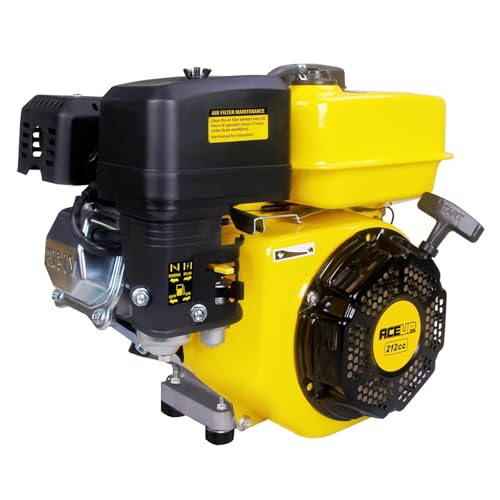
The Aceup Energy 212cc engine uses a 3/4″ (19mm) shaft with a 2-3/8″ length and a 5/16″-24 UNF threaded end, plus a 3/16″ keyway. It is a 4-stroke, air-cooled OHV model with recoil start and a 0.9 gallon fuel tank. It is a versatile replacement for many machines, including log splitters, pressure washers, and go-karts. Best for buyers needing flexible mounting and common shaft dimensions. A limitation to watch: ensure the shaft and keyway align with your existing equipment kit.
Buying Guide: Key Considerations For 212cc Mini Bike Engines
- : Check shaft diameter, end threading, and keyway length to match your drive system and mounting pattern. Mismatches can require adapters or adapters that add bulk or cost.
- fuel capacity and consumption: Engines with larger tanks run longer between refuels. Compare fuel consumption rates (gal per kW-hour) to estimate running time for your typical tasks.
- cooling and noise: Air-cooled designs are common; consider silenced variants if you operate in noise-sensitive settings. Noise levels can affect site use and neighbors’ tolerance.
- starting method: Pull-start is common and simple, but some setups may benefit from electric start compatibility. Verify your preferred starting method for convenience.
- durability and materials: Heavier cylinders with iron or cast-iron components tend to resist wear in demanding use. Look for engines with reinforced housings if you expect frequent starts or heavy loads.
- application fit: If you primarily need a replacement for a mini bike or go-kart, prioritize compact mounting and standardized shaft specs. For portable machinery like pressure washers or water pumps, ensure the mounting and wiring options align with your gear.
- regulatory considerations: Some engines are labeled for certain markets (e.g., EPA-compliant). Confirm that the engine meets your local regulations and your equipment’s intended occupancy environment.
Practical Comparison Tips
- Best for heavy-duty tasks and long operation: Bamiyune and Aceup Energy engines, due to larger fuel capacity and robust construction.
- Better for general replacement with solid durability: Predator and BJTDLLX engines, known for simple starts and reliable parts availability.
- Choose this if you need balanced efficiency and general compatibility: LUNUMAOS engine emphasizes fuel economy and broad replacement potential.
Frequently Asked Questions
- What does 212cc mean in these engines? It refers to the engine displacement, which is a measure of the combined volume swept by all the pistons. Higher displacement often indicates more power and torque.
- Are all 212cc engines the same size and mounting? No. Mounting patterns, shaft size, and end threading can vary. Always verify shaft diameter, keyway, and mounting footprint against your machine.
- Can I use these engines for a log splitter? Some models are suitable due to power and torque, but verify the engine’s cooling, fuel capacity, and mounting compatibility with your log splitter design.
- Is a recoil start engine harder to start than electric start? Recoil start is simple and reliable but may require more effort, especially in cold weather. Electric start offers convenient startup but can add wiring complexity.
- Do these engines meet environmental standards? Several models claim EPA compliance or standard emission formats. Check the product page for specific regulatory notes relevant to your location.
- How do I extend engine life? Use fresh, clean fuel, keep air filters clean, and perform regular maintenance—especially around the carburetor and cooling fins—to maximize longevity.