Answering your search for reliable 16-inch bike tubes, this guide highlights top options that fit 16×1.75 to 16×2.125 tires. These tubes suit road, mountain, and kids’ bikes. Each pick is evaluated for air retention, durability, and installation ease to help you choose the best tube for your riding style.
Buyer profiles at a glance: lightweight everyday riders may prefer standard-butyl tubes with easy installation; aggressive or puncture-prone riders benefit from self-sealing or heavy-duty tubes; kids’ bikes often require budget-friendly, reliable options with kid-friendly installation. The table below compares five well-rounded picks.
| Product | Best For | Key Benefit |
|---|---|---|
| 2 PCS 16″ Bike Tubes 16×1.75/2.125 (Schrader) – YunSCM | All-around riders | ETRTO 47-305 to 57-305 compatibility; quick install |
| Slime Extra Strong Self-Sealing Tube 16″ x 1.75-2.3″ Schrader | Flat-prone riders | Flat protection with Slime sealant |
| FANSPRO 2 Pack 16 Inch Bike Tube 16×1.75-2.125 | Budget and durability | Heavy-duty butyl, includes tire levers |
| Bell 16-Inch Universal Inner Tube, 16″ x 1.75-2.25″ | Broad compatibility | Mold-cured rubber for consistent performance |
| Hydencamm 2 Pack 16″ Kids Bike Inner Tubes | Kids’ bikes and beginners | 32mm Schrader valve, two levers included |
YunSCM 2 Pack 16″ Bike Tubes 16×1.75/2.125

Best for versatile tire sizes. These tubes list compatibility with 16 x 1.75 through 16 x 2.125 (ETRTO 47-305 to 57-305). They are made from premium butyl rubber, offering good sealing, ozone resistance, and aging resistance. The kit emphasizes quick installation and a straightforward inflation process after a flat. Suitable for road and mountain bikes that run within the specified width range. Best for riders who want a reliable, mid-priced tube and occasional use on various 16″ tires.
Best use: general riding on multiple 16″ tires; easier replacement when upgrading or replacing worn tubes. Potential limitation: exact compatibility should be verified with your tire width to avoid overfitting on narrower or wider 16″ tires.
Slime Extra Strong Self-Sealing Tube, 16″ x 1.75-2.3″

Best for puncture resilience. This self-sealing tube embeds Slime sealant to automatically seal punctures up to 1/8 inch (3 mm). It’s designed to reduce downtime from flats and keep riders moving. It’s particularly appealing for riders in areas with thorny roads or frequent debris. Best for daily commuters or explorers who want extra insurance against flats. Caution: sealant performance can vary with temperature and puncture type; ongoing top-ups may be needed for long-term effectiveness.
FANSPRO 2 Pack 16 Inch Tube 16×1.75-2.125

Best value with practical kit features. These heavy-duty tubes are shaped for 16″ tires from 1.75″ to 2.125″ wide. They are built with high-quality butyl rubber to improve air tightness and durability. The included tire levers help with installation, reducing risk of rim or tube damage during mounting. Choose this if you want a two-pack option with handy tools for quick repairs. Limitation: reliance on included levers means the overall setup is best for routine maintenance rather than professional-level tire changing.
Bell 16-Inch Universal Inner Tube
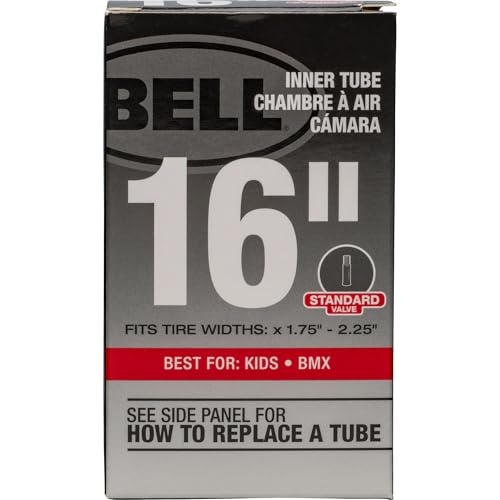
Best for broad compatibility and reliability. Bell’s universal 16″ inner tube covers major sizes and features a mold-cured rubber construction to maintain sidewall integrity under higher pressures. This makes it a solid choice for riders who want a dependable, low-maintenance option. Best for riders who prefer a straightforward tube without special features. Limitation: may not include additional components like tire levers that some sets provide.
Hydencamm 2 Pack 16″ Kids Bike Inner Tubes

Best for kids’ bikes and beginner riders. The Hydencamm tubes fit 16″ tires from 1.75″ to 2.125″ and include two tire levers for easier installation. They use butyl rubber for reliable air retention, sealing properties, and durability. Best for families seeking cost-effective two-packs with basic installation aids. Limitation: always confirm exact tire width and rim compatibility with kids’ bikes to avoid overhang or poor fit.
Buying Guide — Key Purchase Considerations
What tube size do I need? Most 16″ tubes list compatible tire widths from roughly 1.75″ to 2.125″. Check your tire width stamped on the sidewall and ensure the tube’s valve type (Schrader is common on many 16″ tires) matches your rim valve stem.
Which valve length and type matter? Schrader valves are standard and easy to inflate with most air pumps. If your rim has a shallow or deep valve hole, verify that the valve length will not bottom out or protrude awkwardly when mounted.
When should you choose self-sealing tubes? If you frequently ride in debris-prone areas or want extra protection against slow leaks, a self-sealing tube with sealant can reduce downtime. Remember that sealant can settle and may require replacement after extended use.
Are heavy-duty tubes worth it? For riders who carry heavier loads or ride on rough terrain, heavy-duty tubes with thicker sidewalls can improve puncture resistance and air retention. They may be slightly heavier but often provide longer service life in demanding conditions.
Is installation support important? Some sets include tire levers or have thicker tubewalls designed for easier installation. If you’re new to tube changes, a kit with levers can be a helpful addition to prevent rim or tube damage.
Frequently Asked Questions
- What is the typical tube size for a 16″ bike? Most tubes cover 16×1.75 to 16×2.125 tires; always verify the width on your tire.
- Do 16″ tubes require a specific valve stem length? Yes, ensure the valve length fits your rim hole depth to avoid overexposure or bending.
- Are tubeless conversions needed to use these tubes? No, these are standard inner tubes designed for clincher rims with established tube systems.
- Will a self-sealing tube seal punctures automatically? Self-sealing tubes use a sealant to close punctures up to about 1/8 inch (3 mm) in many cases, but effectiveness can vary by puncture type and air pressure.
- Should I replace both tubes when fixing a flat? It’s often prudent to replace both tubes when a flat happens to prevent future failures, especially if the tires show wear.
- What maintenance helps prolong tube life? Regularly check tire pressure, inspect sidewalls for cuts or punctures, and replace tubes if any signs of wear appear.